Inside the Culinary Trends Shaping 2026
January 5, 2026
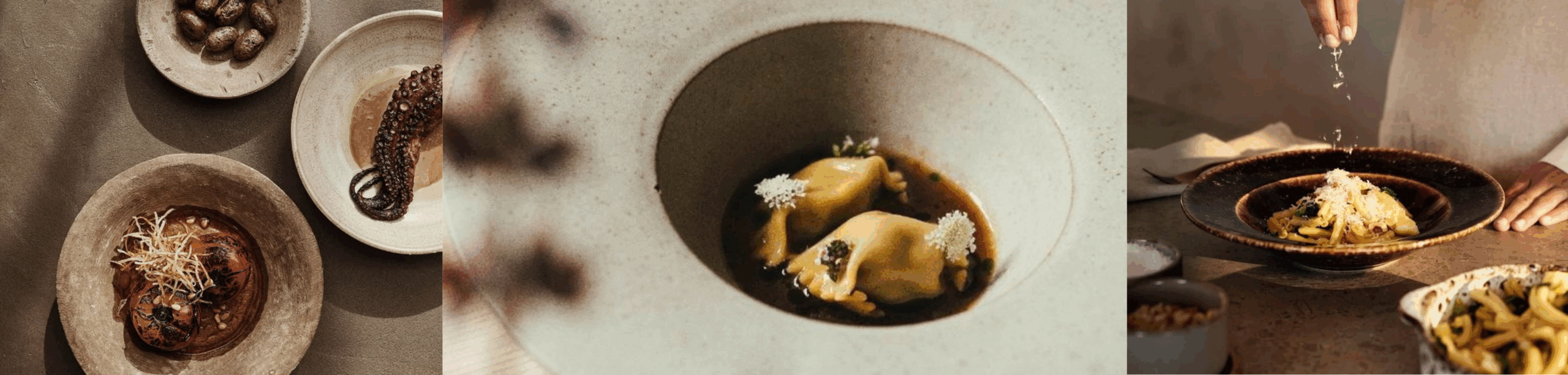
Across the world’s culinary capitals, chefs have begun writing the 2026 chapter of the global dining story. With a pull toward deeper narrative, provenance and sensory discovery, the year ahead feels less like a cycle of fleeting food trends and more like a return to intentional cooking.
More so than ever, chefs and diners are seeking ingredients and experiences that feel rooted, rich and thoughtful. At MAIA, we believe the 2026 culinary forecast signals a pivotal shift in luxury hospitality PR and brand communication – one that champions creativity through connection, craft and a renewed love of food.
The Hyper-Local Revival
One of the most defining culinary trends of 2026 is a move toward the immediate and the meaningful. Across the UK, US and Europe, chefs are embracing small-batch grains, coastal plants, heritage vegetables and regenerative farms that are reshaping the sustainable food landscape.
For Dubai, a city often defined by global imports, the hyper-local shift is surprisingly energising. Chefs are experimenting with regionally grown produce, desert herbs, date-seed coffee, Emirati honey and even small-scale hydroponic greens. The result is cuisine that feels more rooted, more expressive of place, and more aligned with international conversations around sustainability.
Smaller, Smarter Menus
With diners increasingly seeking clarity and depth over abundance, many leading restaurants are trimming back their menus. Instead of sprawling lists, 2026 is seeing tighter curation: five exceptional starters rather than twelve, or a tasting menu that highlights a single ingredient in multiple forms.
In culinary hubs such as New York and London, this shift reflects a desire for precision and artistry. In Dubai, it’s also a strategic choice – a way for chefs to champion local supply chains and reduce waste while still delivering luxury experiences. A refined menu becomes a statement of confidence: every dish earns its place.
Fermentation, Reinvented
Fermentation has matured far beyond trend status. Chefs are experimenting with micro-vinegars, koji-butters, fermented legumes, black garlic pastes and vegetable offcut cultures to create depth, complexity and nuance. It’s sustainability elevated into flavour.
For luxury hotels and fine-dining restaurants, fermentation offers a chance to create distinctive signatures: bespoke condiments, house ferments and small-batch infusions that communicate both craftsmanship and locality.
Ancient Grains, Modernised
2026 is also the year ancient grains feel newly relevant. Sorghum, amaranth, spelt and buckwheat are appearing in unexpected places: laminated into croissants, pressed into tacos, folded into risottos or brewed into next-gen beverages.
Combined with plant-based fats, fermented legumes or nut-oil emulsions, chefs are building dishes that represent a reconnection to agricultural heritage.
Old Worlds, New Stories
One of the most compelling shifts of 2026 is the renewed respect for indigenous knowledge as a storytelling framework for modern cuisine. Around the world, chefs are turning to ancestral techniques to bring depth, authenticity and cultural memory back to the plate.
In the US, Native American milling, smoking and seed-preservation traditions are informing everything from breads to broths. Across Australia, First Nations ingredients such as wattleseed, finger lime and pepperberry are being celebrated. And in New Zealand, Māori culinary practice – from hāngī earth-cooking to the use of kawakawa, pūhā (milk thistle) and rewena sourdough – is inspiring restaurants to fold whakapapa (lineage) into contemporary dining.
Dubai’s kitchens are also drawing from local traditions, exploring Emirati preservation methods, ancient spice blends, desert botanicals and Bedouin cooking principles. These techniques add narrative richness to menus, grounding modern dishes in legacy.
Viral Dubai Moments
Dubai’s dining scene continues to ignite global conversations, often fuelled by social media but sustained by serious culinary talent. Manao’s rise brought a new wave of craveability to Thai flavours, with diners lining up for plates that balance bold spice with meticulous technique. Za Za Slice turned the humble pizza moment into a cultural phenomenon.
And then there’s Juns, which continues to influence the region’s dining narrative with its seamless blend of Japanese precision and Dubai energy. These viral moments reveal something important: in a city where luxury is a given, what resonates are concepts that feel human.
A New Culinary Language for 2026
For brands, hotels and restaurants navigating the world of luxury hospitality in Dubai, 2026 offers a rare opportunity. The emerging food trends celebrate origin, sustainability, flavour layering and cultural storytelling. When paired with the city’s appetite for innovation, they create a landscape ripe with possibility.
For MAIA, this moment underscores the value of thoughtful communication. By translating global trends into meaningful local narratives, luxury PR and brand communications can shape experiences that feel relevant, future-focused and profoundly memorable. Experiences that define not just what’s on the menu, but what it means to dine in 2026.