A New Language of Healing
May 1, 2026
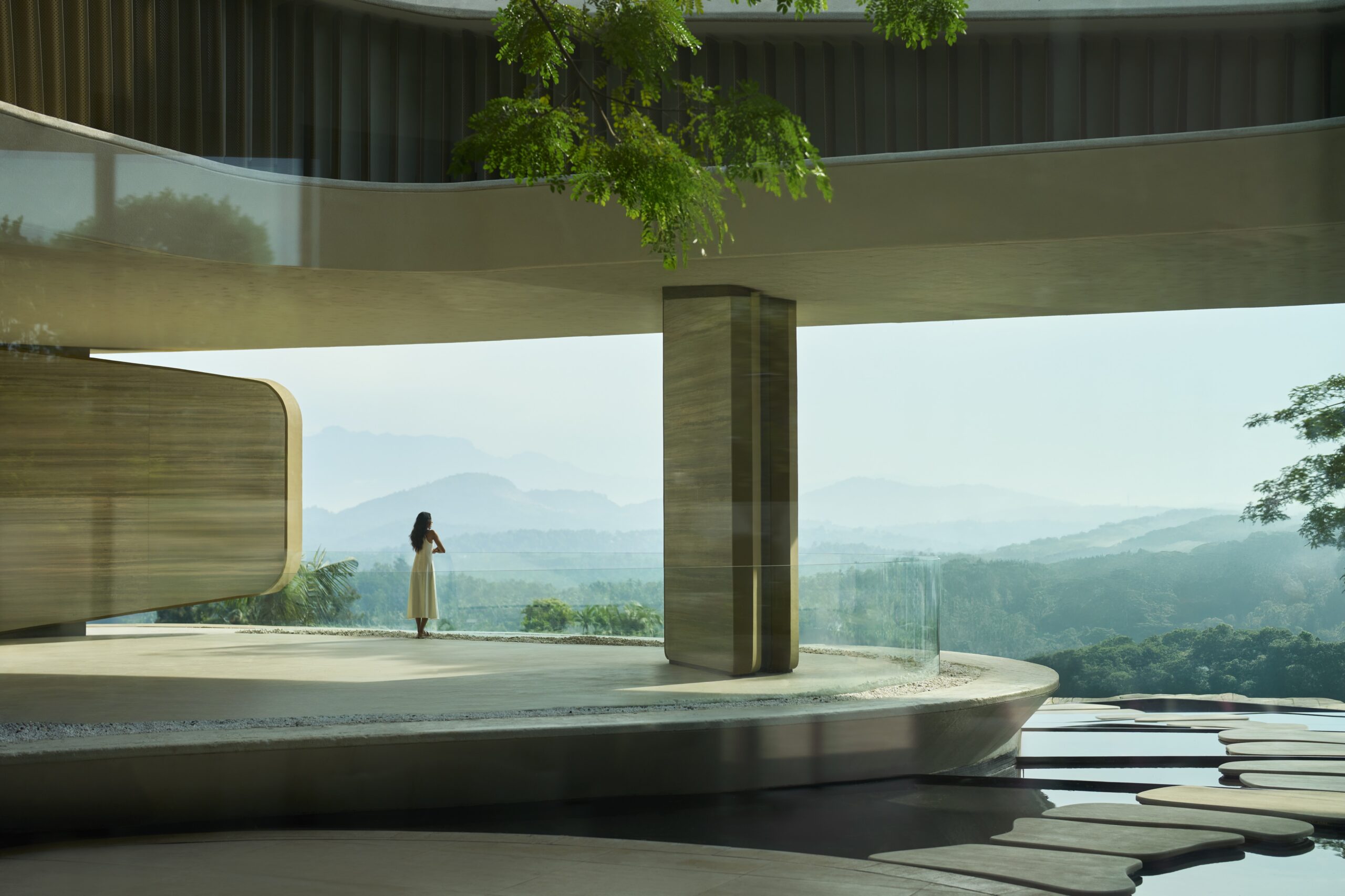
Experiencing tulåh, a letter of gratitude from our founder, Shadi.
There are places that invite you to pause, and then there are places that quietly heal you.
tulåh, set within the lush hills of northern Kerala, belongs to the latter. From the moment I arrived, there was a sense that this was not simply a destination, but a philosophy made physical, one that holds both scientific precision and something far more intangible, and yet felt deeply.
What struck me most is how seamlessly tulåh brings together worlds that are so often kept apart. Advanced diagnostics sit alongside ancient practices and clinical rigour meets ritual. Each journey begins long before arrival, with an in-depth health assessment and consultation, followed by genome and microbiome testing that begins to map a highly individual picture of your body.
Mornings begin gently, often with movement or breathwork as part of the Morning Ritual, before transitioning into consultations and diagnostics. The level of insight is remarkable: from blood markers and cardiovascular profiling to more advanced imaging and functional testing, everything is designed to understand the root, rather than simply the symptom.
And yet, for all its clinical depth, the experience never feels medicalised. There is a softness to the rhythm of each day. Between therapies, which might include Ayurvedic bodywork, sound healing, or regenerative treatments, there are moments of stillness: walking through healing medicinal gardens, pausing for tea, or simply sitting in the lush landscape and allowing the body to settle. Each element feels considered, not only in isolation, but in how it connects to the whole.
What defines tulåh is this calm orchestration, handed perfectly by the team of Retreat Hosts. You are not following a fixed programme, but moving through something entirely bespoke , a sequence of therapies, movement, nutrition and reflection, all shaped around your own physiology and life context.
Typically, this means two to three personalised treatments a day, interwoven with group practices such as yoga, meditation or Vedanta discussions, and supported by a nutrition plan that is equally tailored and deeply nourishing.
There is also a continuity to the experience that extends beyond the stay itself. Before leaving, there is a final debrief with your lead physician, and a clear understanding of what comes next, not just insights, but a considered plan to carry forward, supported by follow-up consultations in the months that follow. It reinforces something that tulåh expresses so well: that healing is not a moment, but a process of ongoing attention.
At its core, tulåh is about balance. It is a place where the body is understood in its entirety, where care is both deeply intelligent and yet deeply human. And perhaps most importantly, it is a reminder that when science and soul are allowed to meet, something entirely new becomes possible.
For us at MAIA, it is rare to encounter a concept so fully realised, and so aligned with a values-led vision of the future.
tulåh is not only redefining clinical wellness, it is quietly reshaping our understanding of what true care can feel like.
Love, Shadi